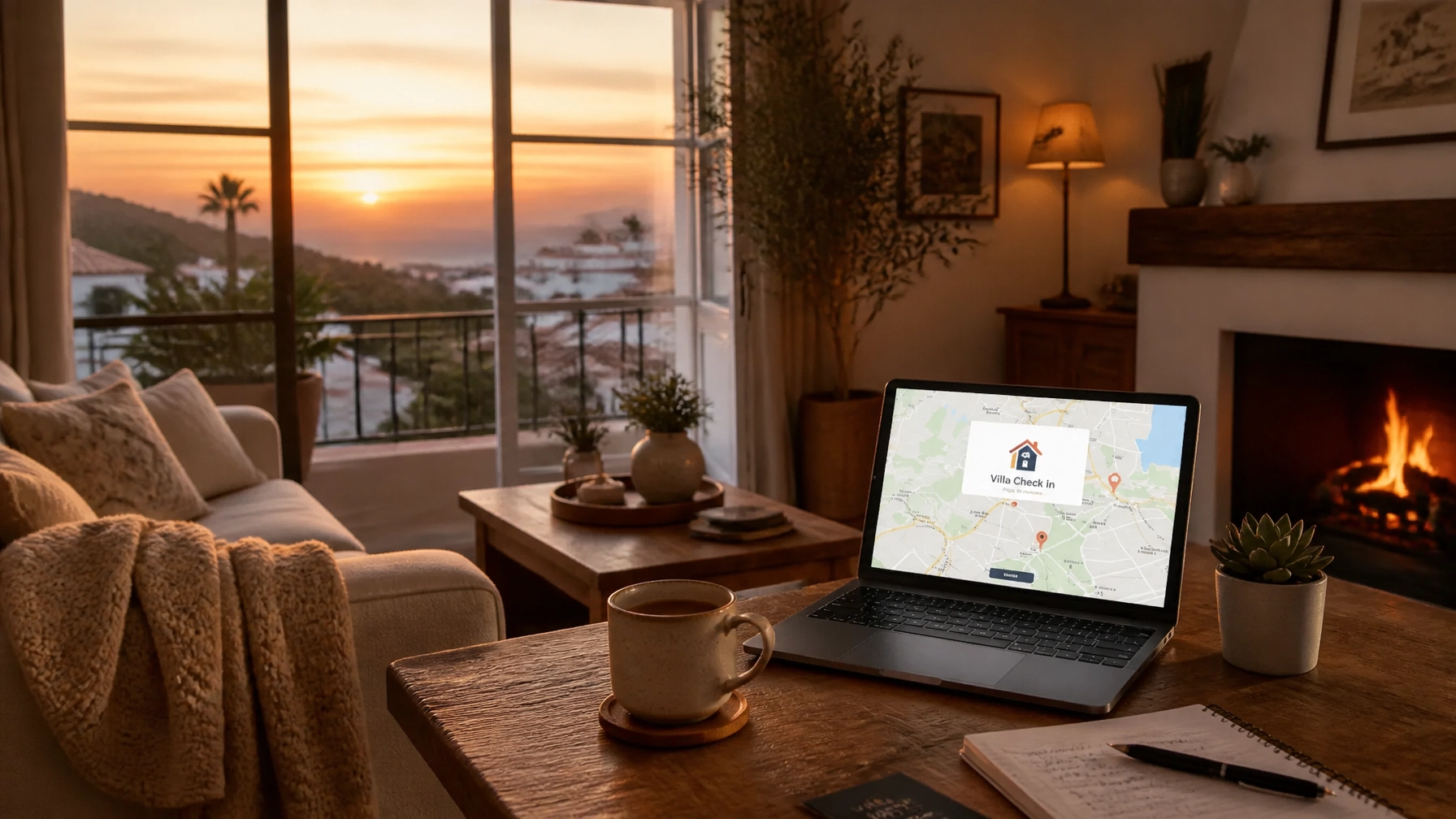
Mainland Spain in October often feels like the morning after a very loud, very successful party. The summer crowds have vanished — taking their inflatable flamingos with them — and the sun begins its slow, dignified retreat. For many holiday rental owners, this transition marks the start of the "Great Hibernation."
However, leaving your property empty from October to March is a missed opportunity. While the casual beach-goer may be gone, a sophisticated wave of off-season travellers is looking for exactly what you have — provided you know how to pitch it. Transforming your villa from a summer splash-pad into a winter sanctuary requires a shift in strategy, a few cosy blankets, and a rock-solid grasp of off-season logistics.
Target the Digital Nomad Goldmine
The rise of the "workation" is the best thing to happen to mainland Spain since the invention of gazpacho. Digital nomads — those laptop-wielding professionals who can work from anywhere with a signal — actively seek out Mediterranean bases during the northern winter. They aren't looking for a week of tan-lines; they want a month of productivity with a side of tapas.
To attract this demographic, you must prioritise their primary tool: the internet. Gather speed test results and post a screenshot in your listing photos — nomads won't trust a "high-speed Wi-Fi" claim without proof. Ensure your property has a dedicated workspace. A kitchen table is fine for a sandwich, but a nomad needs an ergonomic chair and a desk with a view to stay for six weeks.
Create a Sanctuary for Snowbirds
While nomads are chasing the Wi-Fi, "Snowbirds" — retirees from Northern Europe and the UK — are chasing the light. These guests typically stay for two to four months to escape the damp, grey winters of the north. Their priorities are comfort, accessibility, and community.
Focus on the "liveability" of your property. Ensure your heating systems are serviced and efficient — Spanish tiles are beautiful in July but can feel like an ice rink in January. Highlighting amenities like a Smart TV with international channels or a selection of books can make a long stay feel more like home. Mentioning the proximity to local pharmacies, grocery stores, and social clubs is also a major selling point for this demographic, as they value a gentle, well-connected lifestyle.
Pivot to Niche Activities
Mainland Spain is actually more enjoyable for many outdoor activities when the mercury isn't hitting 40°C. Use the cooler months to market your property as a base for specific hobbies that thrive in the mild winter air.
- Golfing: Many of the world's best courses are on the mainland, and winter is peak season for enthusiasts who find the summer heat unbearable.
- Hiking and Cycling: The Sierra Nevada and coastal trails are spectacular in the autumn and winter. Promote these routes in your listing description.
- Gastronomy: Winter is the season of hearty stews, olive harvests, and wine festivals. Position your villa as a "gastronomic retreat" near local vineyards or markets.
By tailoring your marketing to these specific interests, you move your property out of the general "holiday let" category and into a specialised "activity hub."
Offer the 30-Day Sweet Spot
One of the most effective ways to maintain occupancy is to stop chasing short-term bookings and start embracing mid-term stays. October to March is the perfect time to offer deep discounts for stays of 30 days or longer.
These guests are lower maintenance — they generate fewer check-ins, less laundry, and more stable revenue. When calculating your off-season rates, consider the "All Bills Included" model. Snowbirds and nomads prefer the simplicity of one fixed price rather than worrying about the fluctuating cost of Spanish electricity. Providing a clear, all-inclusive monthly rate removes the friction from their decision-making process.
Understand the Regional Duration Rules
Before you market a stay as "short-term" or "mid-term," check the local rulebook. Spain does not use one universal definition across every region, which is a wonderfully efficient way to keep owners alert and slightly over-caffeinated.
In the Valencian Community, stays must be no more than 10 consecutive days per guest to qualify as a tourist rental. In many other regions — including Andalusia and Catalonia — the practical threshold is typically 31 days. Stays that go beyond 31 days are often treated as seasonal rentals — arrendamientos de temporada — under the LAU, which can be a smart off-season strategy if you want longer occupancy with fewer turnovers.
This matters because your pricing, guest type, marketing, and compliance setup may need to change depending on the stay length and the region where your property sits. A 28-day booking may fit neatly into your winter plan in one area, while a 14-day booking could already push you outside the local tourist-rental framework in another.
Use this as a planning checkpoint:
- Check your regional rules: Confirm how your autonomous community defines tourist stays before publishing monthly winter offers.
- Adjust your booking strategy: Position 30-day-plus stays as seasonal rentals where that structure is appropriate and beneficial.
- Keep compliance in place: Remember that even for longer mid-term stays, guest registration through SES Hospedajes is still mandatory.
Enhance Your Winter Amenities
A few tactical upgrades can dramatically change how your property is perceived in the off-season. You aren't just selling a place to sleep; you're selling a cosy experience.
- Heating: If you don't have central heating, invest in high-quality inverter air conditioning units or stylish electric radiators.
- Textiles: Swap out thin summer sheets for high-tog duvets, wool throws, and thick rugs to add warmth and visual comfort.
- Entertainment: Ensure your Smart TV is ready for streaming. A Netflix-ready setup is a non-negotiable for a guest staying for a month in February.
- Lighting: As the days get shorter, warm, layered lighting — floor lamps and table lamps — becomes more important than bright overhead lights.
Keep Compliance on Your Radar
Regardless of whether your guest is staying for three nights or three months, legal requirements do not take a winter break. In Spain, guest registration via the SES Hospedajes platform is mandatory for every stay.
Many owners mistakenly believe that mid-term guests or "winter residents" are exempt from these filings. This is not the case — failing to submit guest details within 24 hours of arrival can result in significant fines. Even if a stay falls into a longer seasonal-rental model under regional rules or the LAU, you still need to submit guest details correctly. To make this process seamless, most owners use a Digital Certificate to handle submissions electronically.
Using an automated guest registration service ensures that even while you are enjoying your own off-season downtime, your property remains fully compliant with Spanish law.
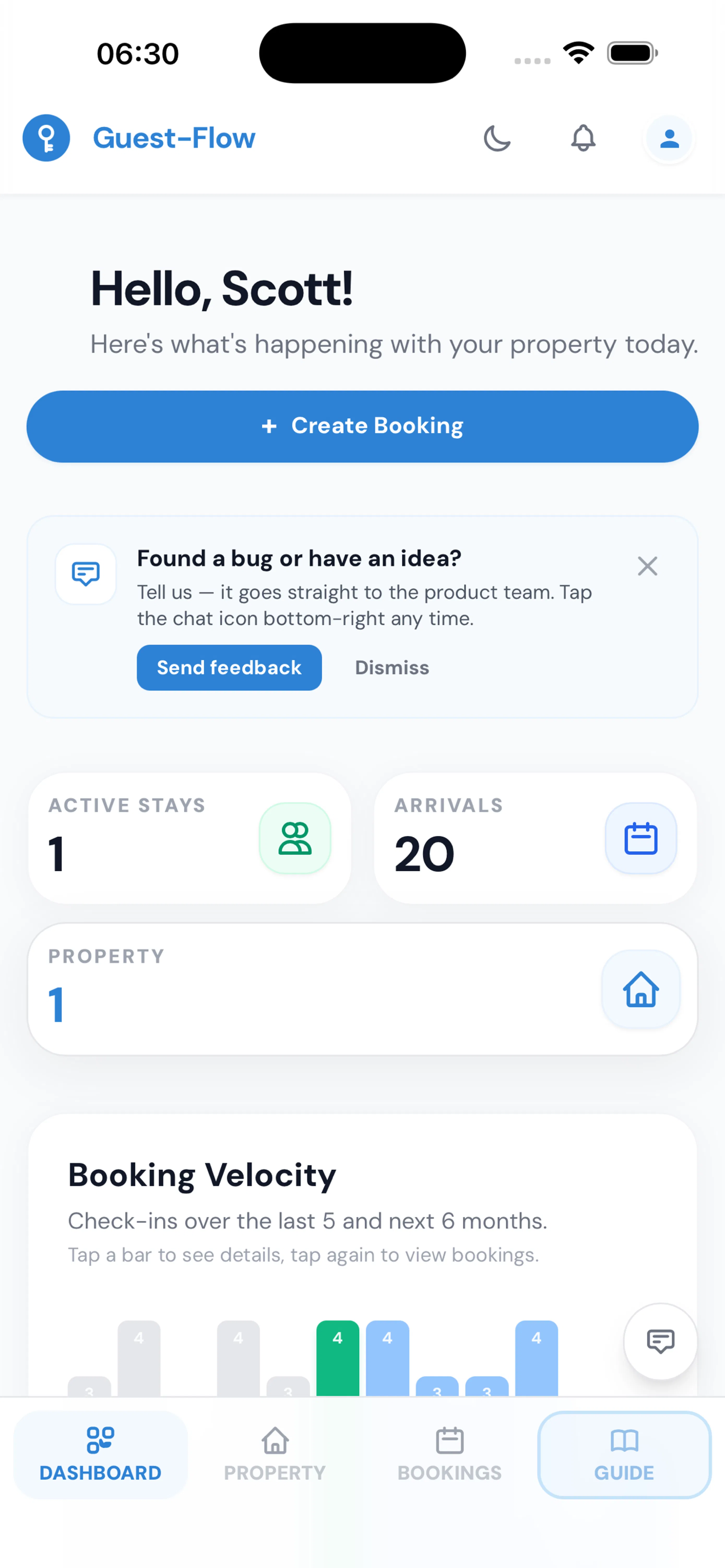
From Empty to Occupied
Filling your mainland Spain property during the winter isn't about luck — it's about adaptation. By targeting digital nomads with fast Wi-Fi, welcoming snowbirds with cosy amenities, and marketing to niche hobbyists, you can turn the quiet months into a period of steady, reliable income.
Ensure your pricing reflects the value of mid-term stays and keep your administrative house in order. With a proactive strategy, the off-season doesn't have to be a ghost town — it can be your property's most profitable "secret" season. View our services and pricing to get your compliance sorted before the winter bookings arrive.